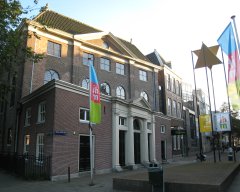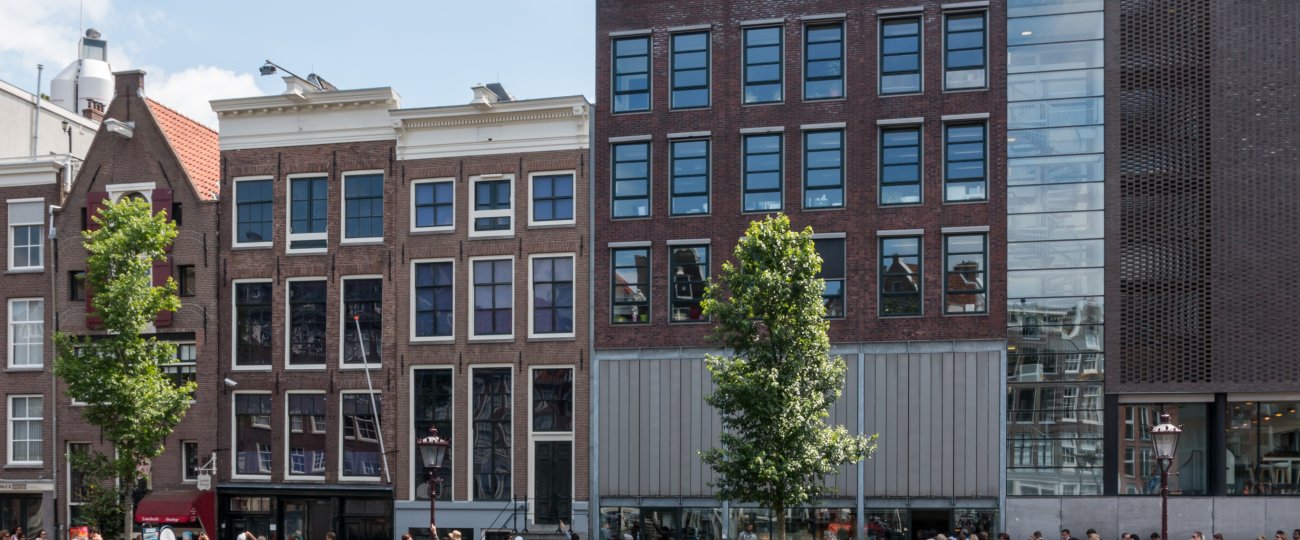
The Anne Frank Huis (Anne Frank House), is a writer's residence turned biographical museum dedicated to Anne Frank, a Jewish diarist during World War II. It's situated alongside the Prinsengracht canal, near the Westerkerk, in the heart of Amsterdam, Netherlands.
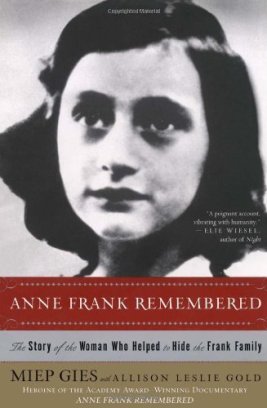
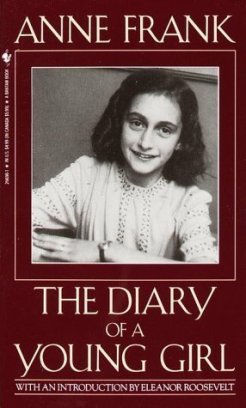
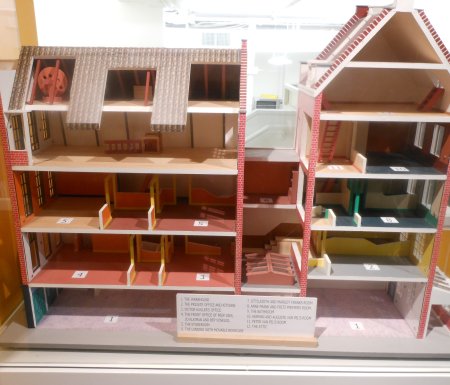
Throughout World War II, Anne Frank, along with her family and four others, concealed themselves in hidden rooms within the rear section of a 17th-century canal house, later known as the Secret Annex or Achterhuis in Dutch. Sadly, Anne Frank did not survive the war, but her poignant wartime diary was published in 1947. To safeguard the property from potential demolition by developers, the Anne Frank Foundation was established a decade later.
The museum officially opened its doors on May 3, 1960. It meticulously preserves the concealed hiding place and hosts a permanent exhibition that delves into Anne Frank's life and the historical context of her times. Additionally, there is an exhibition area dedicated to various forms of persecution and discrimination. In 2013 and 2014, the museum welcomed a total of 1.2 million visitors, ranking as the third most-visited museum in the Netherlands, following the Rijksmuseum and Van Gogh Museum.