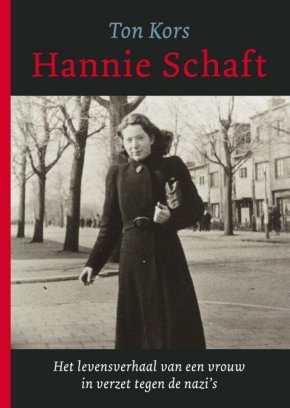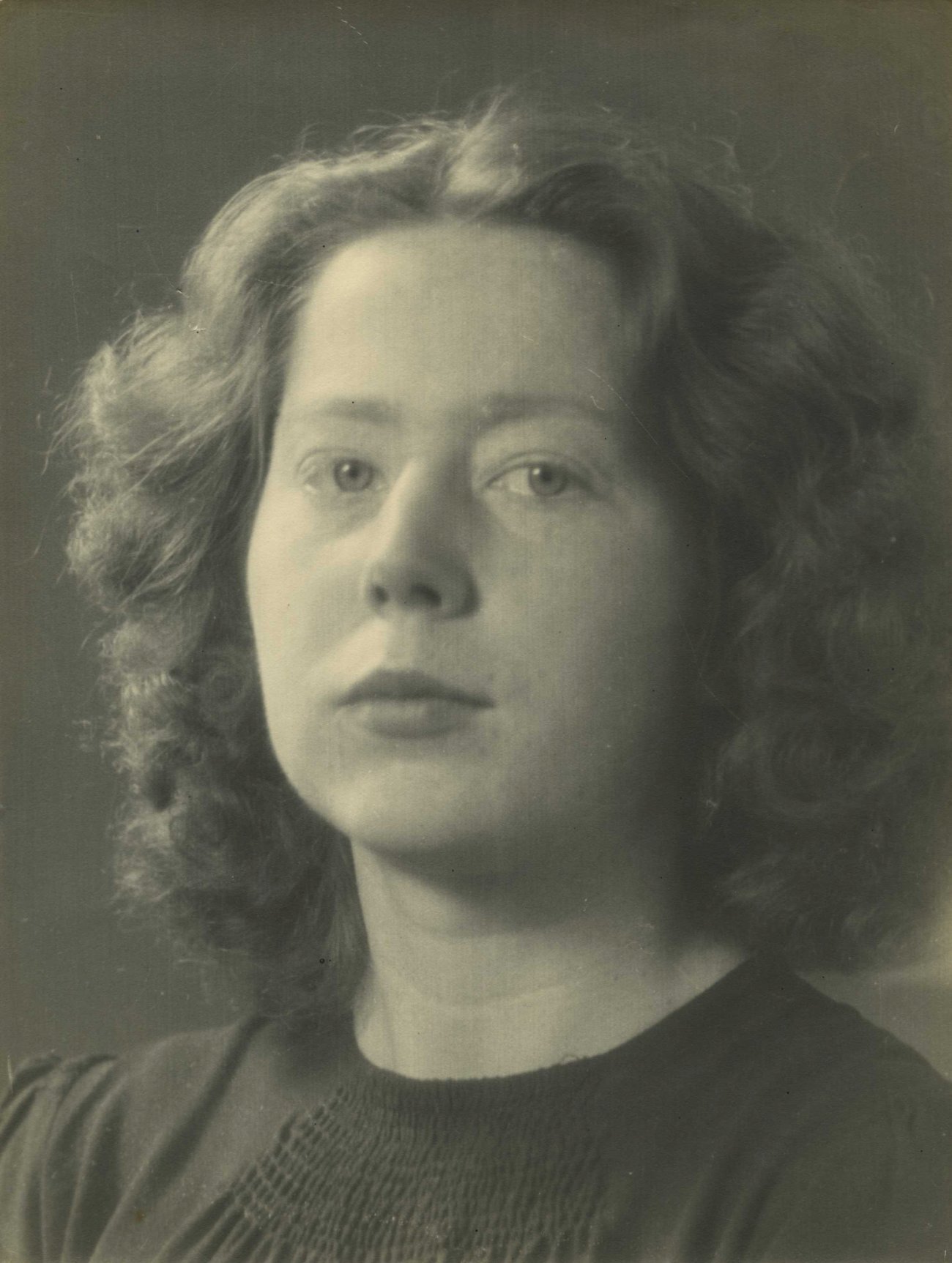
Jannetje Johanna “Hannie” Schaft was one of the most recognizable Dutch resistance fighters of the Second World War. Born in Haarlem in 1920, she grew up in a household where social justice and political awareness were normal parts of daily life. Her father worked as a teacher, and her mother came from a Mennonite background, which helped shape the strong moral compass Hannie later became known for.
As a student in Amsterdam, studying international law, she became close with several Jewish classmates. This friendship made the growing persecution feel very personal to her. When the German occupation demanded that students sign a loyalty declaration in 1943, Hannie refused, left her studies, and returned to her parents’ home. By that time, she was already helping people in hiding by stealing ration cards and passing along forged identity papers.
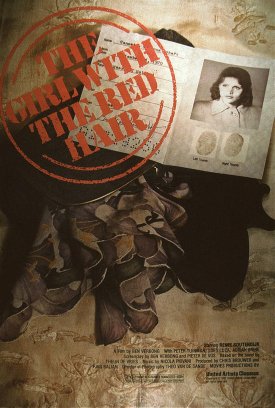
Through contacts in the underground, she eventually joined the Raad van Verzet (RVV). Working together with Truus and Freddie Oversteegen, she carried out dangerous missions against German forces and collaborators. Because of her red hair, she later earned the nickname “the girl with the red hair.” At one point, she even dyed her hair black to avoid recognition.
Throughout 1944 she participated in several armed attacks on collaborators, including the fatal actions against police commissioner Willem Ragut and NSB member Pieter Faber. Her partner in the resistance, Jan Bonekamp, died in one of these operations. Afterward, she went into deeper hiding, while her parents were taken hostage in an attempt to force her out.
In early 1945 she continued her resistance activities, but on 21 March she was arrested at a checkpoint while carrying illegal documents and a weapon. At first, the Germans didn’t know who she was, but her identity became clear during questioning. Despite an informal agreement not to execute women near the end of the war, the Sicherheitsdienst decided otherwise.
On 17 April 1945, only a few weeks before liberation, Hannie Schaft was executed in the dunes near Bloemendaal by order of Willy Lages. Some dramatic stories later grew around her last moments, but official reports show she was killed by two shots to the back of the head.
After the war, her body was reburied with military honors at the Eerebegraafplaats in Bloemendaal. Members of the Dutch royal family attended. She was posthumously awarded several medals, including the Verzetskruis and the American Medal of Freedom.
For decades after the war, political tensions caused her memory to be handled with caution, especially because the communist movement often used her image to symbolize their part in the resistance. From the 1980s onward, her public recognition increased again. Statues, streets, a memorial foundation, and even a minor planet have since been named after her. Books, films, and documentaries continue to retell her story, ensuring she remains one of the best-known resistance figures in Dutch history.