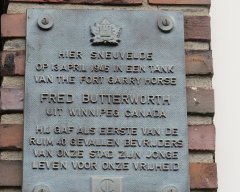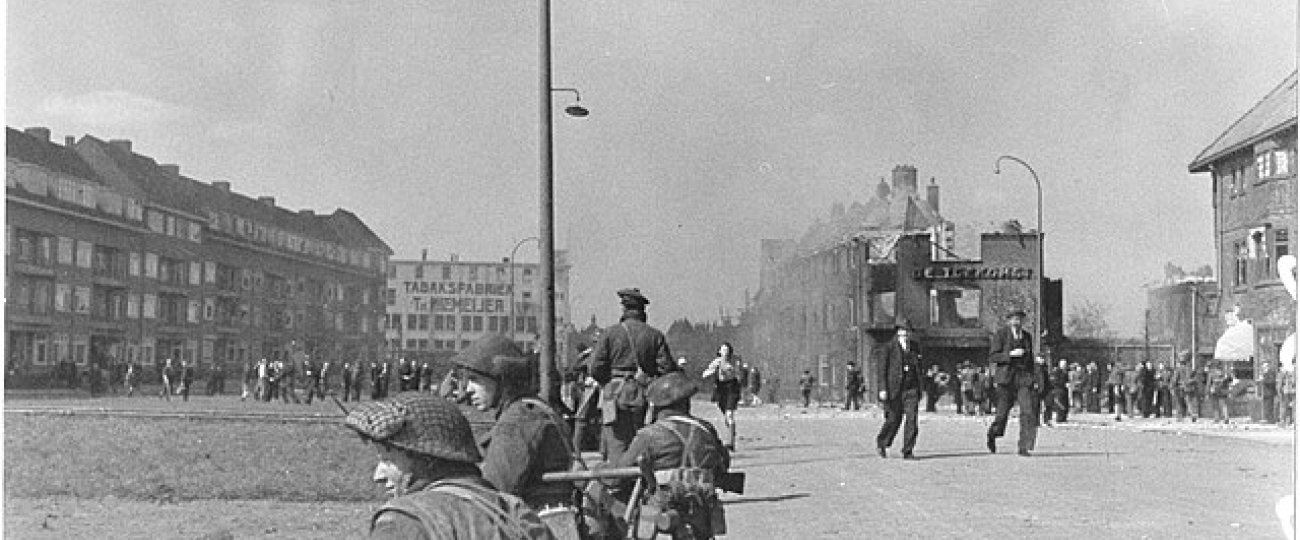
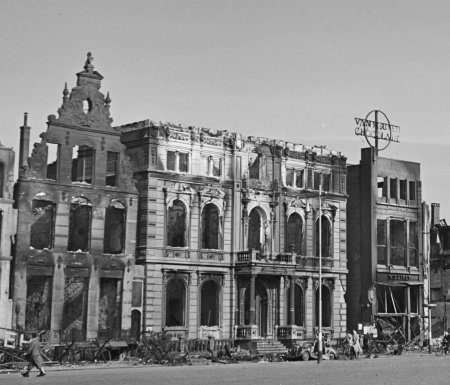
The Battle of Groningen took place from April 13 to 16, 1945, during the final stages of World War II, as part of the Allied campaign to liberate the Netherlands. Canadian forces from the 2nd Canadian Infantry Division faced off against a mix of German troops, Waffen-SS, and Dutch and German auxiliaries in and around the city of Groningen.
The city was of strategic importance due to its role as a transportation and logistics hub in the northeastern Netherlands. Urban combat was intense, with Canadian troops fighting street-by-street and house-to-house to dislodge the German defenders. Despite efforts to minimize civilian casualties and damage, parts of Groningen's city center sustained significant destruction.
The battle ended on April 16, 1945, with the German forces surrendering to the Canadians. This victory allowed the Allies to continue their advance, leading to the liberation of the remaining areas in northern Netherlands. Although Canadian losses were relatively low, the operation was crucial for breaking German resistance in the region.
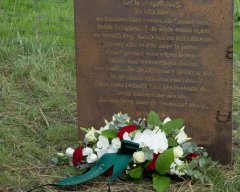
The liberation of Groningen was a turning point for the Dutch people, who had suffered under German occupation, and today, it is commemorated as a symbol of freedom and gratitude toward the Canadian soldiers who played a major role in their liberation.