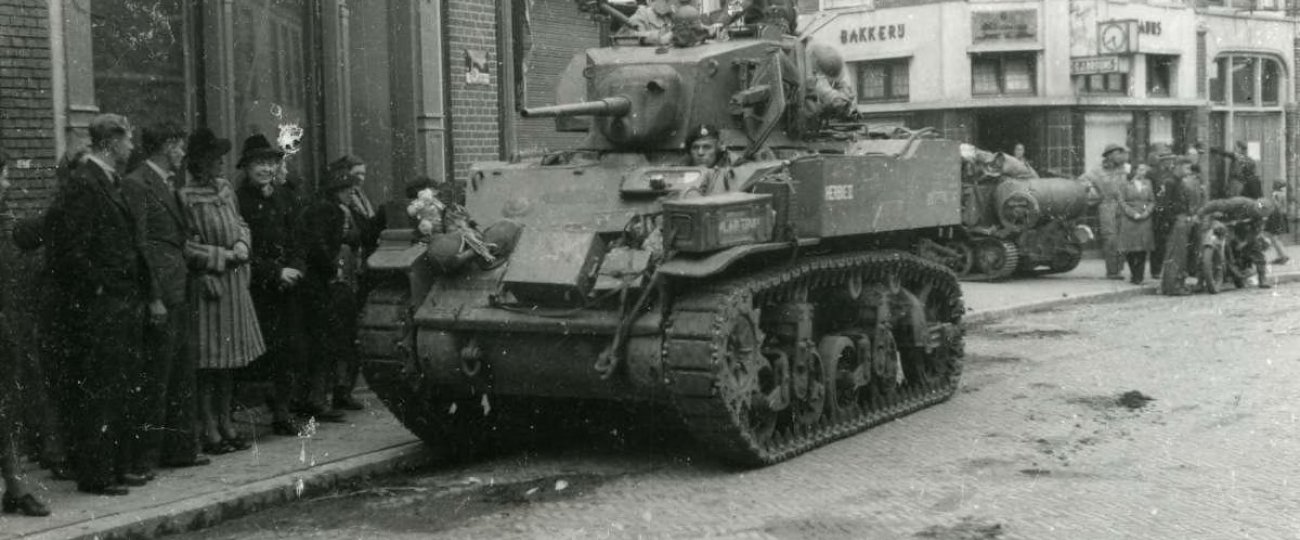
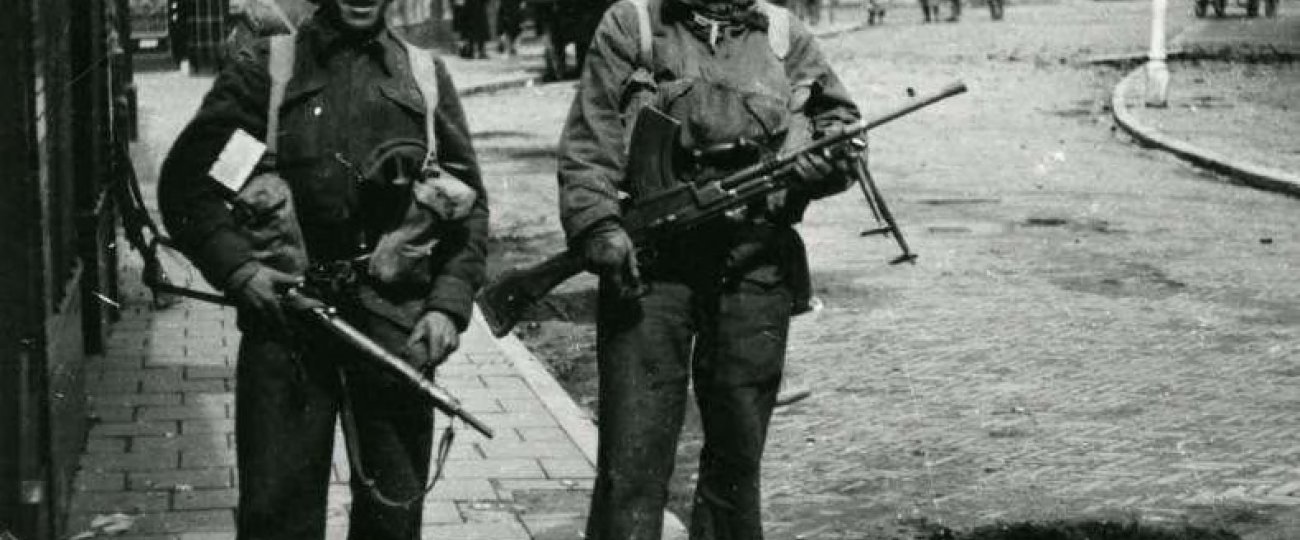
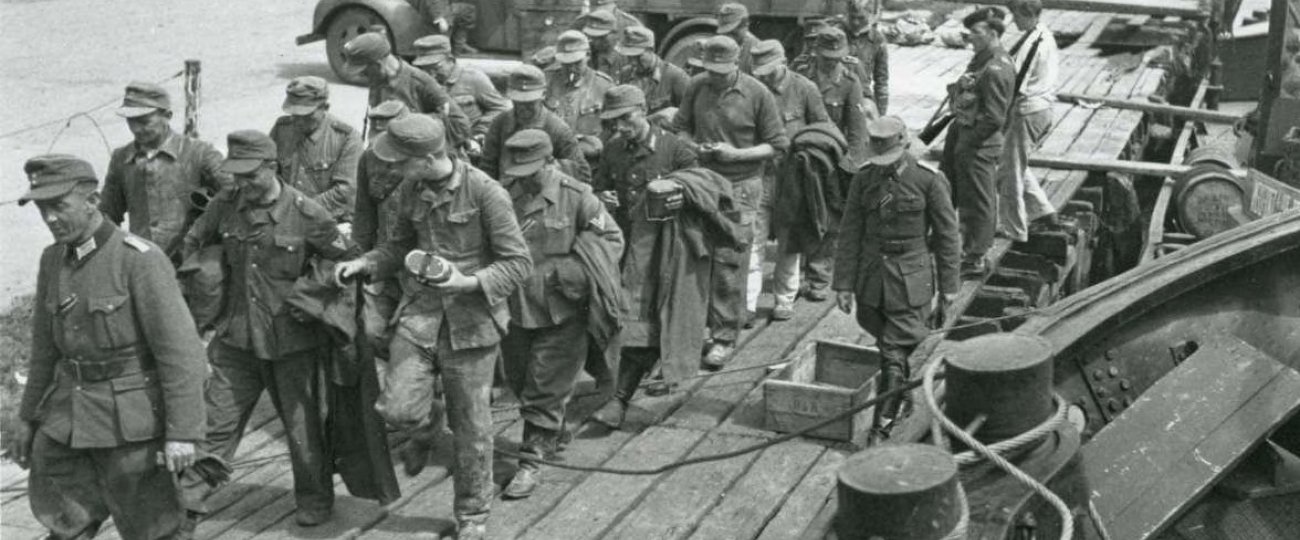
The Battle of the Delfzijl Pocket, fought from April 23 to May 2, 1945, was one of the last major engagements in the Netherlands during World War II. Set in the northeastern port town of Delfzijl, it marked a determined push by Canadian and Allied forces to dislodge the final German holdouts before the end of the war in Europe.
By spring 1945, most of the Netherlands had been liberated, but the north still had pockets of German resistance. Delfzijl, sitting on the Ems estuary, was one of the most heavily fortified. For the Germans, it was a key strategic point—controlling access to the sea and vital waterways. For the Allies, capturing it meant eliminating any chance of a counterattack and securing essential shipping lanes for the recovery to come.
The operation was led by Canadian troops, especially the 5th Armoured Division, backed by the 4th Division and British units. They were well-prepared for the tough terrain and mix of urban and rural combat. On the German side, defenders included regular Wehrmacht troops, naval personnel, and Volkssturm militia—many of them civilians called up in the final stretch of the war. Despite limited training, they fought with determination.
Fighting began on April 23, with Canadian forces launching a coordinated assault. The Germans had turned Delfzijl into a fortress—fortifying buildings, blocking streets, and laying mines. Progress was slow and dangerous. House-to-house fighting, sniper fire, booby traps, and machine-gun nests made every step forward costly. Artillery played a big role, helping the Canadians break through, but it also caused heavy damage to the town and led to civilian casualties.
After ten days of intense combat, the German line broke. On May 2, the remaining troops surrendered, effectively ending German resistance in the region. A few days later, German forces across the Netherlands surrendered, and shortly after that, Germany capitulated entirely, bringing the war in Europe to an end.
The aftermath for Delfzijl was difficult. Much of the town was damaged or destroyed, and many civilians had lost their homes—or their lives. Still, for those who remained, liberation brought relief and a chance to rebuild. The battle became a symbol of both the devastation of war and the resilience of the local people.
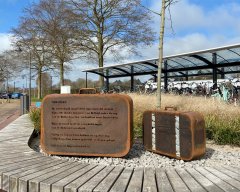
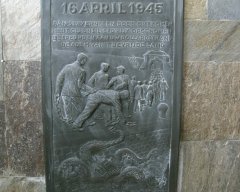
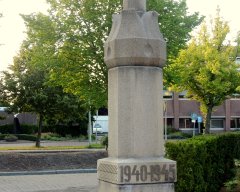
Today, Delfzijl remembers. Monuments and plaques mark the sites of the battle, and each year, ceremonies honor the Canadian troops and the civilians who endured those final, harrowing days. The fight for Delfzijl may have come at the war’s end, but it showed the same resolve and sacrifice that marked the entire Allied effort in the Netherlands.