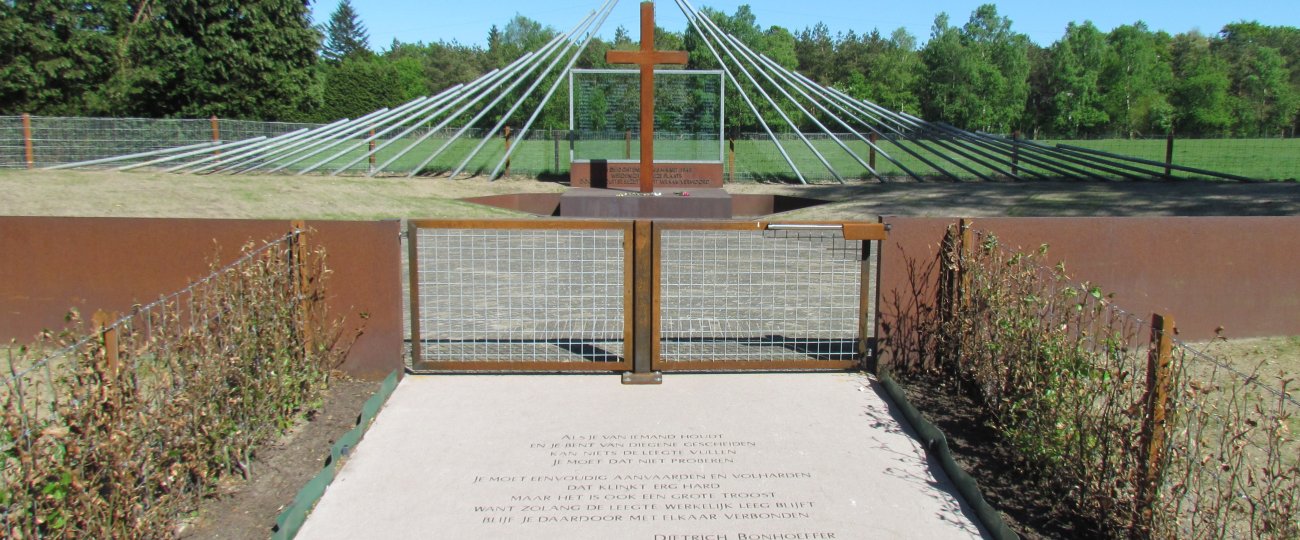
The Woeste Hoeve Monument, located near Apeldoorn, commemorates the 117 men executed on 8 March 1945 by German forces in retaliation for an attack on SS leader Hanns Rauter. The victims, taken from prisons in Apeldoorn and Doetinchem, included members of the Dutch resistance, people in hiding, and downed Allied airmen. Their ages ranged from 17 to 75.
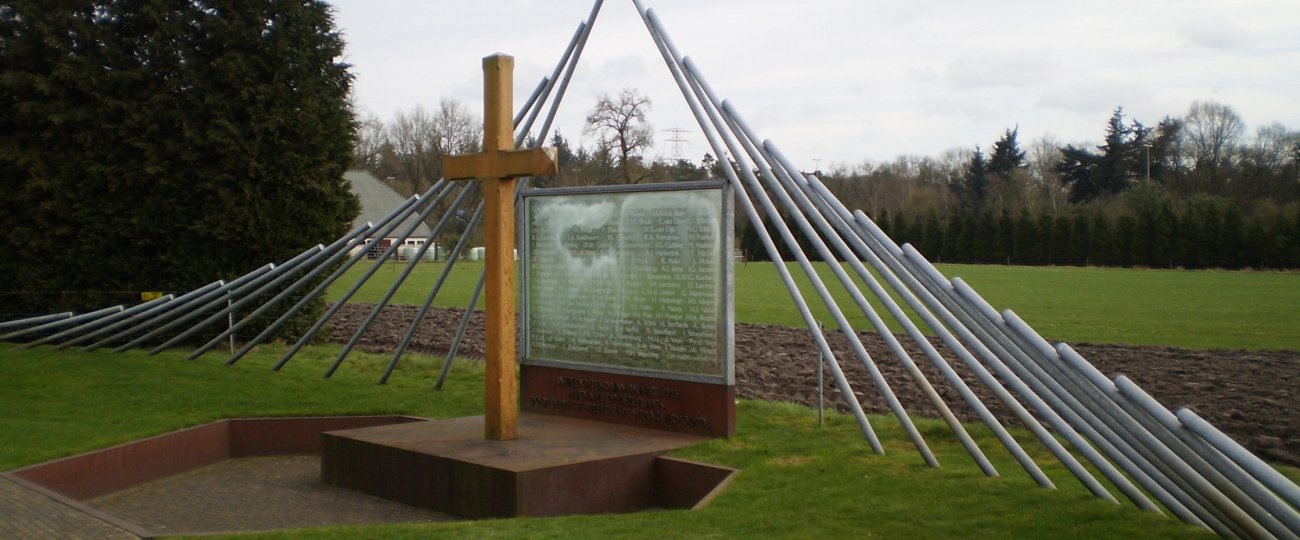
The first memorial, a simple wooden cross, was erected in July 1945 with an inscription honouring the “117 patriots” killed on the site. Queen Wilhelmina visited the monument in 1947, and a bronze plaque replaced the wooden sign the following year. In 1979, a new cross and bench were added, but the victims’ names were still missing.
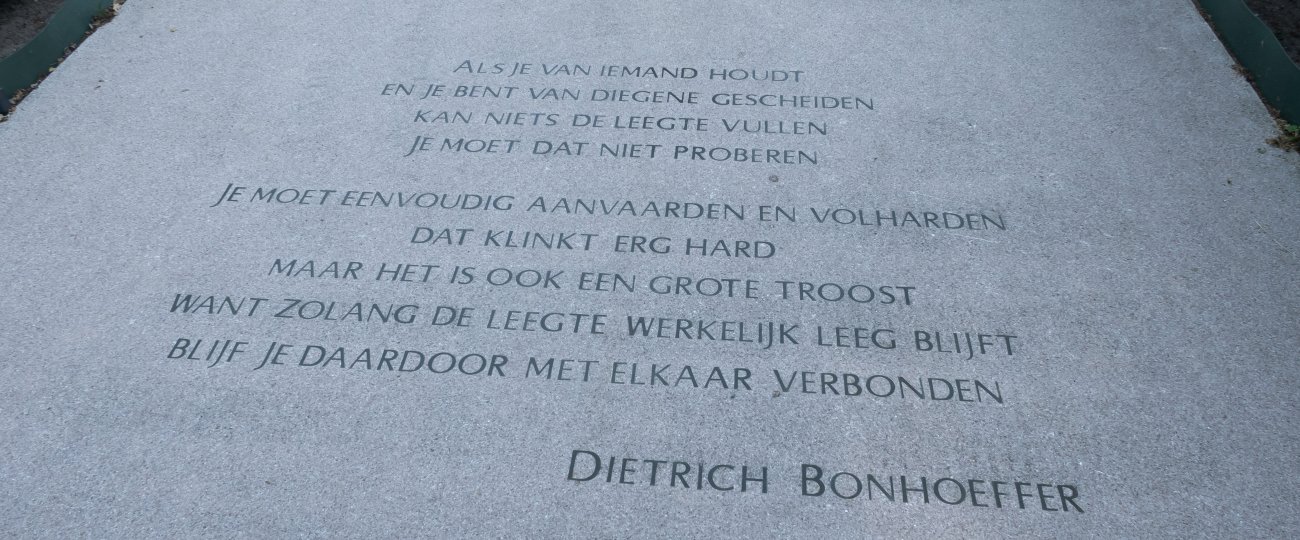
A major restoration took place in 1992, when artist Tirza Verrips redesigned the site. The monument retained its cross but gained a glass wall listing all 117 names and a stone tablet inscribed with a poem by theologian Dietrich Bonhoeffer. The renewed memorial was unveiled by Jan Terlouw, then the Queen’s Commissioner for Gelderland.
Each year on 8 March, a ceremony is held at Woeste Hoeve to remember the victims of this tragic wartime reprisal — a lasting symbol of resistance, suffering, and remembrance.