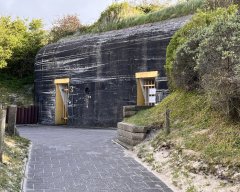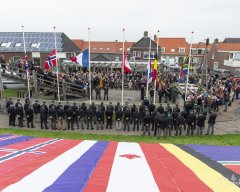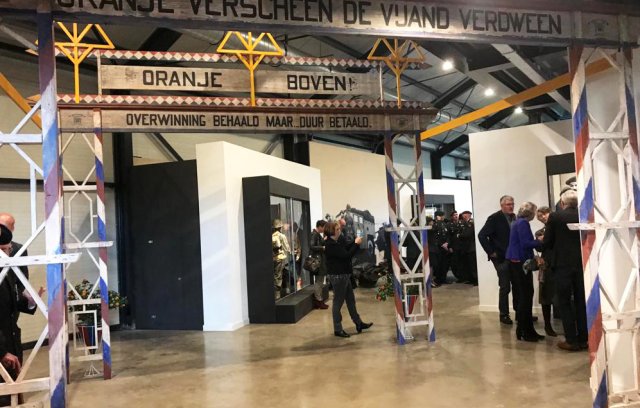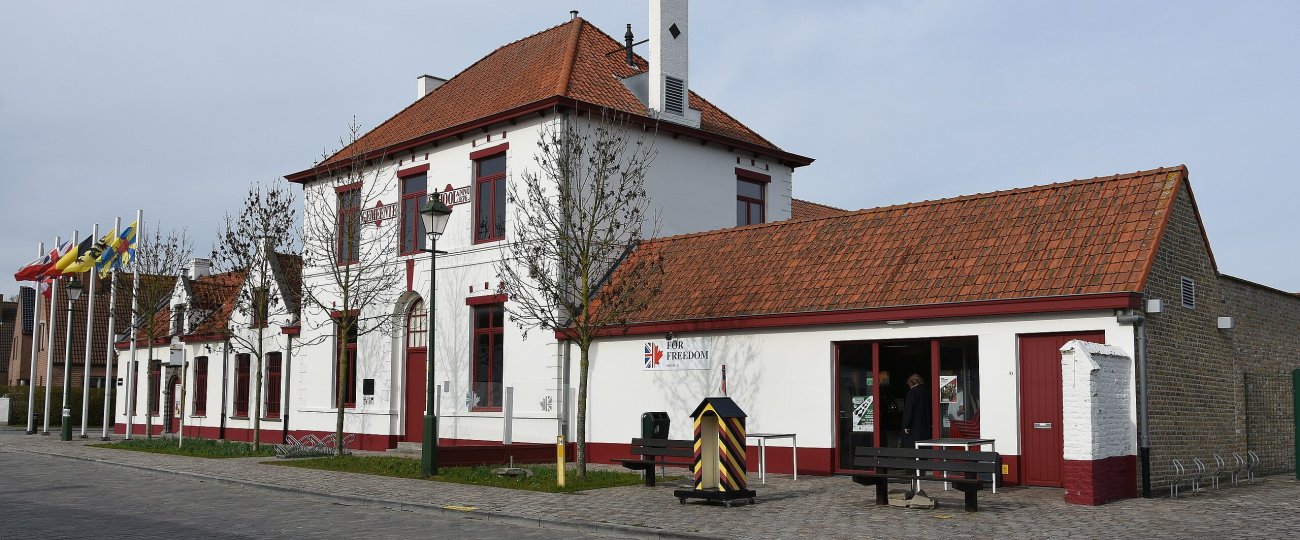
The For Freedom Museum in Ramskapelle, near Knokke-Heist, tells the story of the liberation of West Flanders and the Battle of the Scheldt. It opened officially on April 25, 2009, during a ceremony attended by Minister of Defence Pieter De Crem, West Flanders Governor Paul Breyne, Mayor Count Leopold Lippens, television producer Paul Jambers, and many others.
The museum is housed in a former village school built in 1876. Between 2005 and 2007, the building was fully restored, and the interior was redesigned by the Belgian artist Pierre Verbreyt, who had previously worked on several museums in Normandy. The project was made possible through the combined support of the local municipality, the provincial and European governments, Toerisme West-Vlaanderen, and Paul Jambers. The people of Ramskapelle also played a part, contributing to the museum’s creation in many small ways.
The story of the museum began with two brothers, Danny and Freddy Jones, whose father Dennis Jones was a British soldier who fought in Normandy during the Second World War. After the war, he married Georgette Nobus from Duinbergen in 1947. His wedding suit became the first item in what would grow into a remarkable collection. When Canadian veterans began visiting the Belgian coast, the brothers recorded their stories and collected items from their families. Freddy Jones even organized bus tours for the veterans through the region. Over time, families sent more uniforms and relics to Belgium with the hope that their fathers’ sacrifices would be remembered. One common message read:
“Send father’s uniform to Fred Jones in Belgium — he’ll one day build a museum to tell our story, why we bled and gave our young lives.”
The museum uses a series of large dioramas to tell the story of the fierce battles fought by Canadian, Polish, and British troops between September and early November 1944. The displays recreate scenes from the liberation of the region, showing the harsh conditions and the human courage involved.
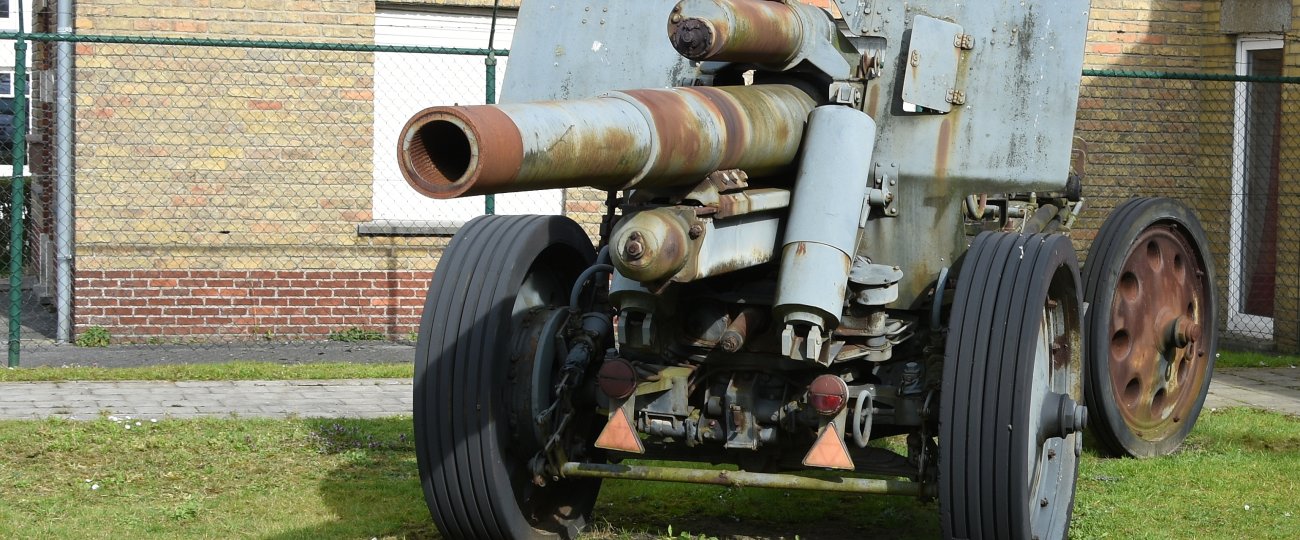
The collection, gathered by Freddy Jones and Patrick Tierssoone, includes hundreds of authentic uniforms, personal items, and original military vehicles. The mannequins used to display these uniforms are mostly wax figures made in the 1920s and 1930s. With their glass eyes and real hair, they have an almost lifelike appearance. Many arrive at the museum in poor condition but are carefully restored by Freddy Jones and mannequin stylist Jacqueline Bronneberg.
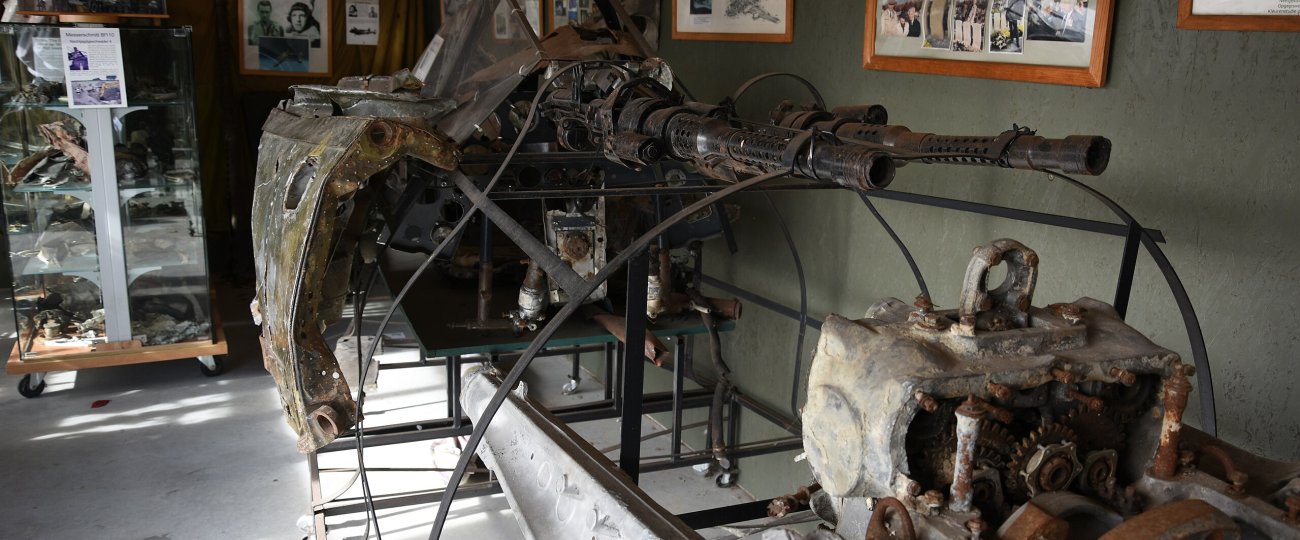
In addition to ground battle artifacts, the museum also features aircraft remains uncovered by Bahaat, a recognized group of aviation archaeologists who contribute to preserving the material history of the air war over Flanders.
The For Freedom Museum stands today as both a local heritage site and a personal tribute — built not just from history books, but from memories, family legacies, and the determination to keep the story of liberation alive.
Would you like me to continue this same tone for a short linked section on the Battle of the Scheldt’s connection to West Flanders, to make it flow naturally in a database entry?