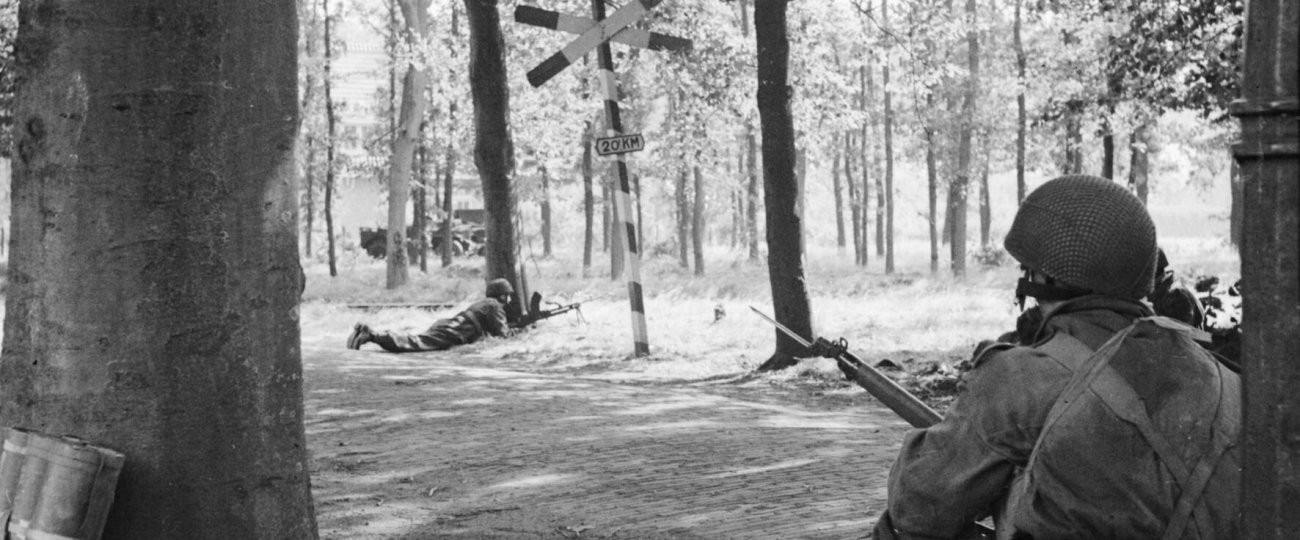
Operation Market Garden was one of the most ambitious Allied offensives carried out in the Netherlands during the Second World War. By the summer of 1944, the mood in much of Western Europe was hopeful. France had been liberated, and many people in the Netherlands felt that freedom was finally within reach. The Allies themselves were also eager to push forward and end the war before winter returned.
There was, however, a major obstacle: the German Siegfried Line. This was a huge defensive barrier of bunkers, minefields, and tank traps running roughly along the German border. Instead of breaking through it head-on, British General Bernard Montgomery suggested bypassing the whole thing by cutting through the Netherlands and striking straight at the Ruhr, Germany’s industrial heart. If the Allies could reach that area quickly, the German war machine might collapse.
This idea became Operation Market Garden, a combined air-and-ground plan that relied on speed, surprise, and control of the bridges leading toward Arnhem.
How the operation unfolded
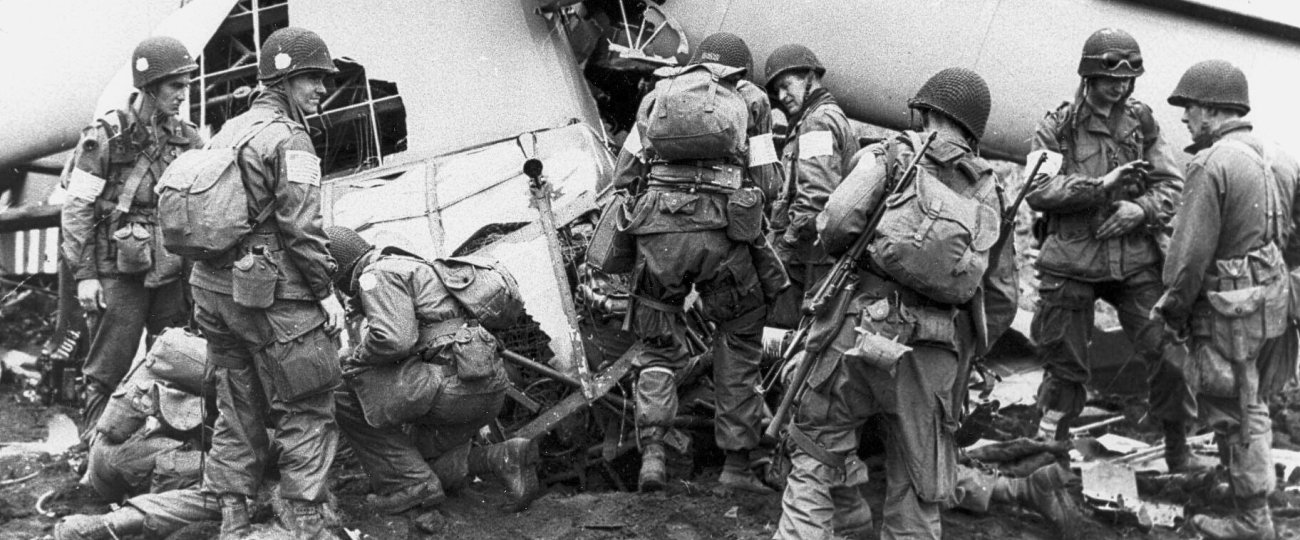
The attack began on 17 September 1944. “Market” was the airborne part: thousands of paratroopers from British, American, and Polish units dropped behind enemy lines. Their mission was simple in theory but difficult in practice — capture and hold the key bridges at Eindhoven, Grave, Nijmegen, and finally Arnhem.
Once these bridges were in Allied hands, “Garden” would begin: the British XXX Corps pushing up from the Belgian border in a long armored column. If everything went smoothly, this tank force would cross each captured bridge, roll past Arnhem, and then enter Germany.
At first, the plan seemed to work. Many of the American units landed exactly where they needed to be, and they seized several bridges quickly. But trouble started early as well. In Eindhoven, the bridge at Son was blown up by retreating German troops, causing an immediate delay. Repairing it cost the Allies valuable time.
In Nijmegen, confusion and hesitation slowed the attack even more. Commanders feared a German trap and did not push forward as quickly as they should have. When the assault finally began, the Germans had already strengthened their defenses, and the bridge turned into a major battleground.
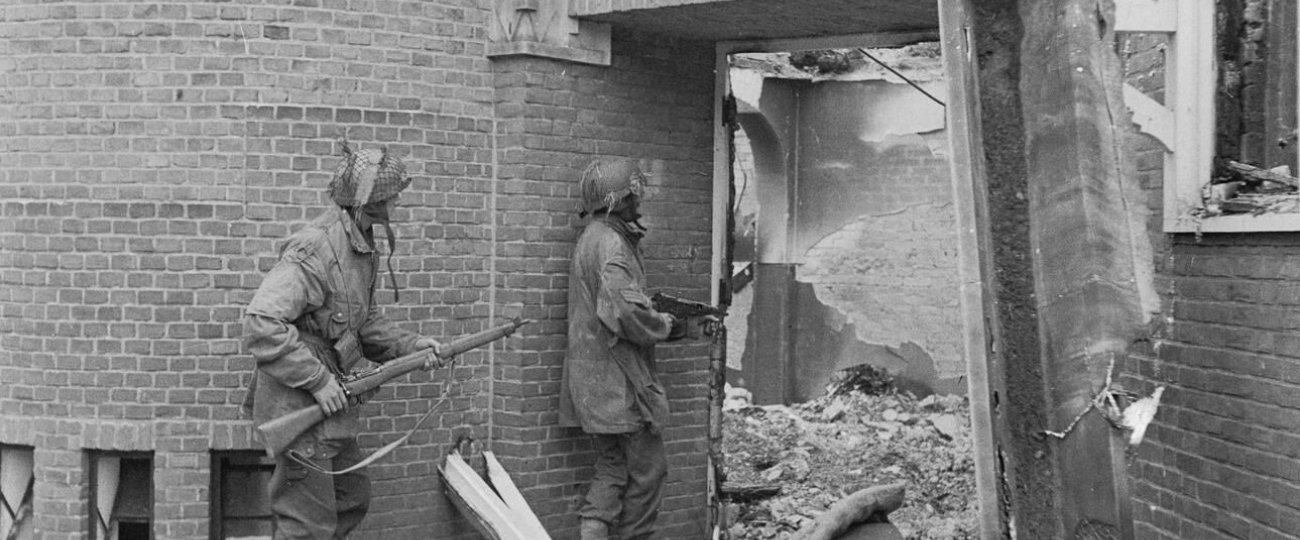
Meanwhile at Arnhem, Lieutenant-Colonel John Frost and his men reached the famous Rhine bridge and managed to hold its northern end. But they were isolated, far ahead of the main force, and could only hope that XXX Corps would reach them soon.
Unfortunately, the road to Arnhem was narrow, raised, and overlooked by higher ground. This made it perfect for German ambushes. Any small attack or destroyed vehicle could block the entire route. Before long, this stretch of road became known as “Hell’s Highway.”
The German response and the failure
Although the Germans were shocked on the first day, they reacted with impressive speed. Reinforcements came from every direction: SS troops, police units, naval personnel, local collaborators, and even soldiers pulled from hospitals. Within a short time, they had gathered a force strong enough to challenge the Allies at every bridge.
For the British soldiers at Arnhem, the situation grew desperate. Their supply drops missed the mark, often landing in German-held territory. Radio contact failed, and the men soon ran out of ammunition and medical supplies. Surrounded and heavily outnumbered, they held out for as long as possible, but relief never arrived. On 25 September, the surviving troops withdrew from Oosterbeek, leaving Arnhem in German hands.
The failure to take Arnhem meant the whole plan collapsed. Without that final bridge, the Allies could not cross the Rhine and push into Germany.
Losses and consequences
The cost of the operation was severe. The Allies suffered around 17,000 casualties, including many killed, wounded, or captured. German losses are estimated at between 8,000 and 13,000. Cities like Arnhem and Nijmegen were heavily damaged, and the Dutch population north of the rivers remained trapped under German occupation. Months later, this led to the terrible Hunger Winter of 1944–45.
Some historians argue that the failure prevented an even larger disaster by stopping the Allies from overextending themselves. Others believe that if Market Garden had succeeded, the war in Western Europe might have ended much sooner.
A plan with too many obstacles
Operation Market Garden remains one of the most studied battles of the war. It was bold, innovative, and incredibly risky. On paper it looked like a fast route into Germany, but in practice it depended on everything going exactly right — and almost nothing did. Heavy defenses, delays, poor communication, and sheer bad luck all combined to stop the advance just short of Arnhem.
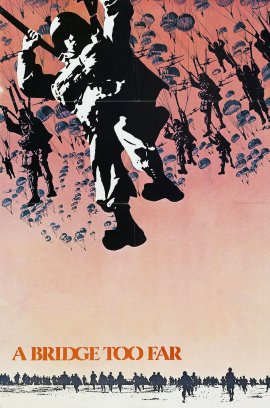
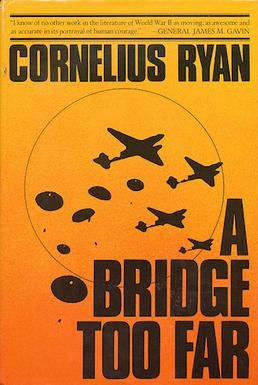
Today, Market Garden is remembered as a story of courage, confusion, and high hopes that ultimately fell short. In the end, it truly was, as many have said, “a bridge too far.”