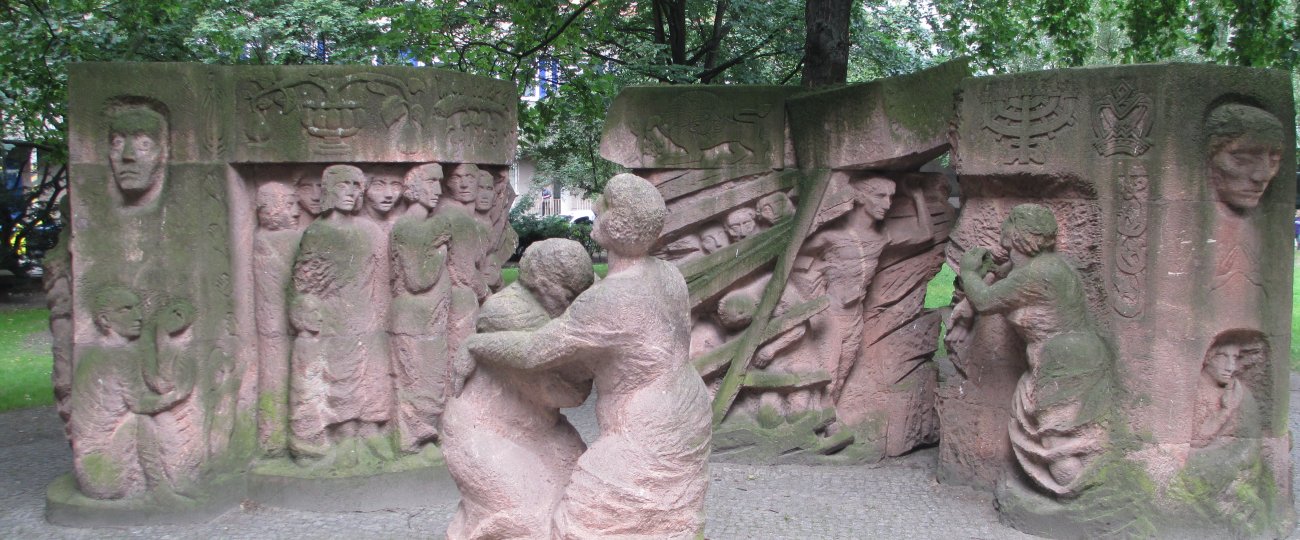
Tucked away on Rosenstraße in Berlin, there’s a monument that doesn’t just mark history—it tells a story of love, defiance, and quiet courage. It’s called Block der Frauen (Block of Women), and it stands as a tribute to the wives, sisters, and mothers who, in 1943, did something almost unthinkable under the Nazi regime: they protested.
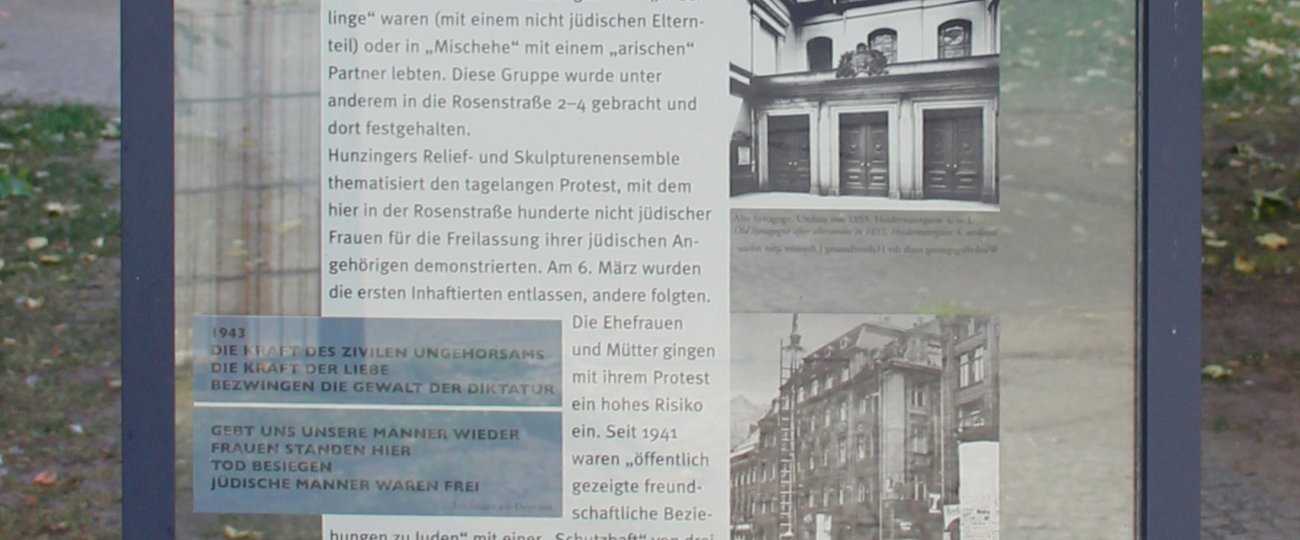
It all started when the Gestapo rounded up around 2,000 Jewish men—many of whom were married to non-Jewish German women. These men had been somewhat “protected” because of their mixed marriages, but now, they were being taken to detention centers, their fates uncertain. Their wives refused to stay silent. They gathered outside a building on Rosenstraße, demanding their husbands back. Day after day, they stood there, unarmed, unafraid, even as SS guards threatened them. And then, something extraordinary happened—the Nazis relented. The men were released. It was one of the only known successful public protests against the Nazi government.
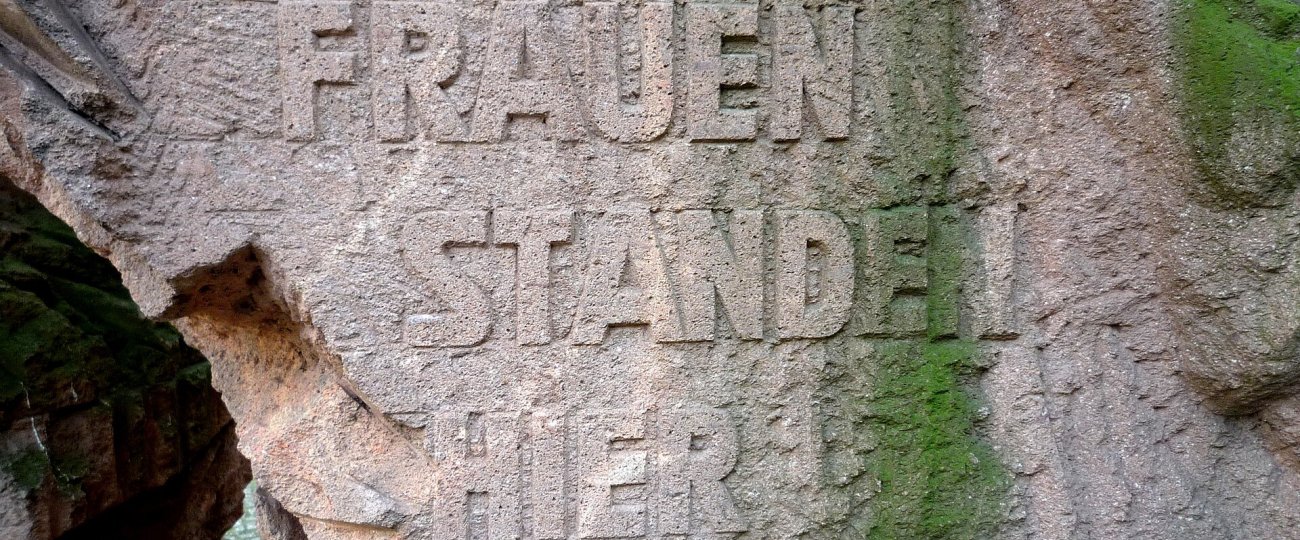
The monument itself, sculpted by Ingeborg Hunzinger and unveiled in 1995, captures this defiance. The figures of women, their faces etched with determination and sorrow, seem frozen in time—mid-protest, mid-plea. The inscription reads:
"The strength of civil disobedience,
The vigor of love overcomes the violence of dictatorship:
Give us our men back!"
It’s a reminder that even in the darkest times, resistance—especially when fueled by love—can make a difference. If you ever find yourself in Berlin, take a moment to stand there, just as those women did decades ago. It’s a quiet but powerful place, whispering a message of hope and resilience.