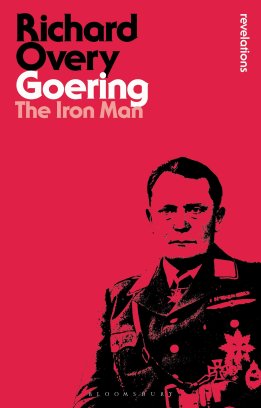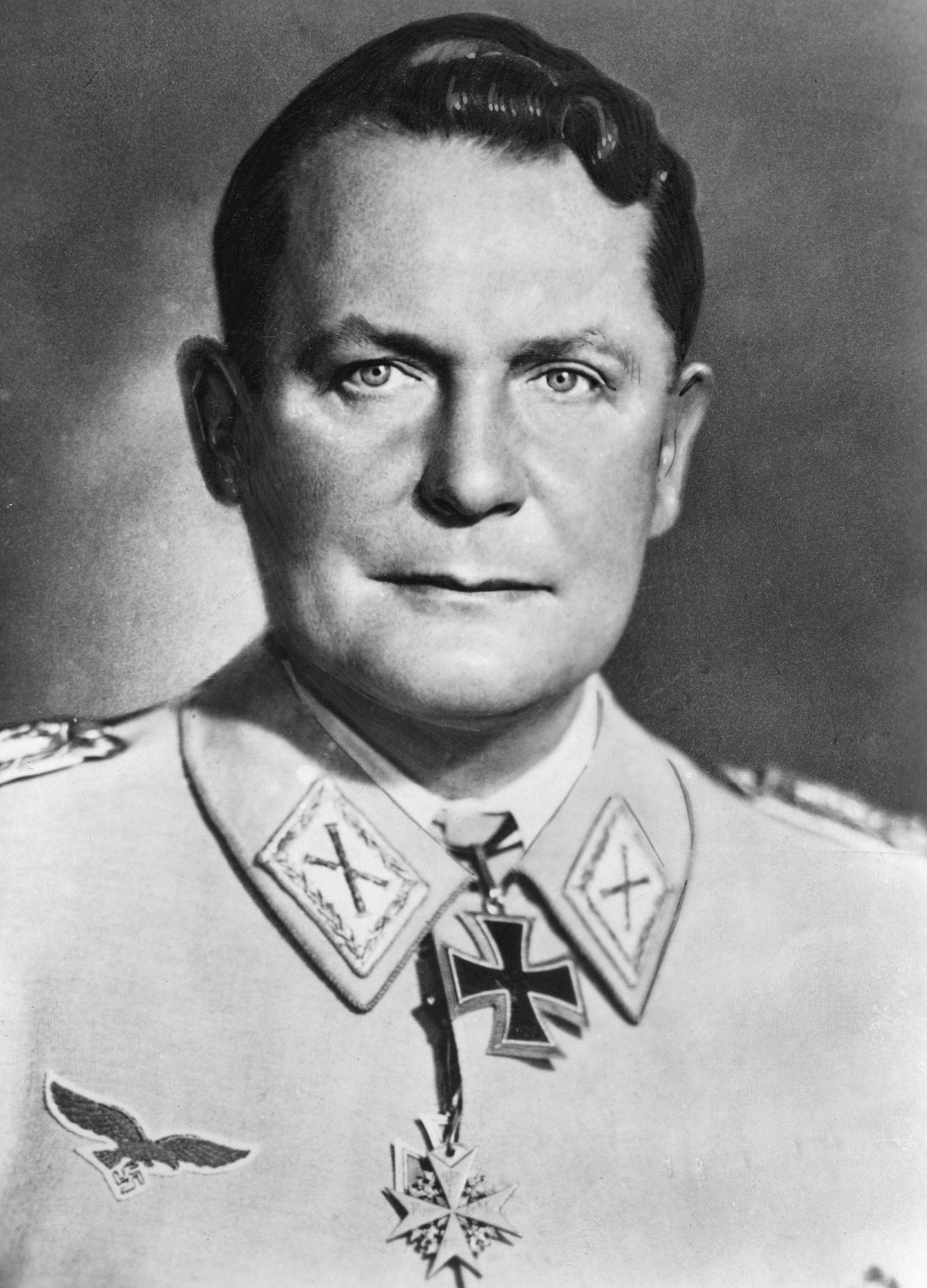
Hermann Wilhelm Göring was a prominent Nazi politician, aviator, military leader, and convicted war criminal. As one of the most influential figures in the Nazi Party, which ruled Germany from 1933 to 1945, he held numerous high-ranking positions, including Oberbefehlshaber der Luftwaffe (Supreme Commander of the Air Force), a role he retained until the regime’s collapse.
Born in Rosenheim, Bavaria, Göring gained fame as a fighter ace during World War I, earning the prestigious Pour le Mérite. He became the last commander of Jagdgeschwader 1 (JG I), the fighter wing once led by Manfred von Richthofen (the "Red Baron"). An early supporter of Adolf Hitler, Göring participated in the Beer Hall Putsch of 1923 and was wounded in the failed coup. While recovering, he developed a lifelong morphine addiction. After Hitler’s rise to power in 1933, Göring was appointed minister without portfolio in the new government. One of his first actions was establishing the Gestapo (secret police), though he later transferred control of it to Heinrich Himmler in 1934.
As Nazi Germany consolidated power, Göring became the second most powerful man in the country. In 1936, he was named Plenipotentiary of the Four Year Plan, overseeing the mobilization of Germany’s economy for war. This role granted him control over multiple government agencies. In September 1939, following the invasion of Poland, Hitler officially declared Göring as his designated successor. After the Fall of France in 1940, he was awarded the unique rank of Reichsmarschall, placing him above all other military officers in the German armed forces.
By 1941, Göring had reached the height of his power. However, his influence began to wane as the war progressed. The Luftwaffe’s failures—particularly its inability to stop Allied bombing campaigns and resupply encircled Axis troops at Stalingrad—led to his decline in Hitler’s eyes. Increasingly withdrawing from military and political affairs, Göring devoted himself to amassing wealth and collecting artwork and property, much of it looted from Jewish victims of the Holocaust.
On 22 April 1945, upon learning of Hitler’s intention to commit suicide, Göring sent a telegram requesting permission to assume leadership of the Reich. Hitler saw this as treason, stripped him of all positions, expelled him from the Nazi Party, and ordered his arrest.
Captured by Allied forces, Göring was put on trial at Nuremberg in 1946, where he was convicted of conspiracy, crimes against peace, war crimes, and crimes against humanity. He requested execution by firing squad, but was denied and sentenced to death by hanging. On the night before his scheduled execution, he committed suicide by ingesting cyanide.