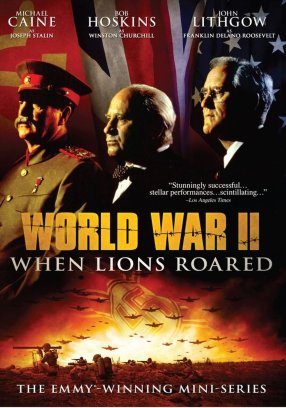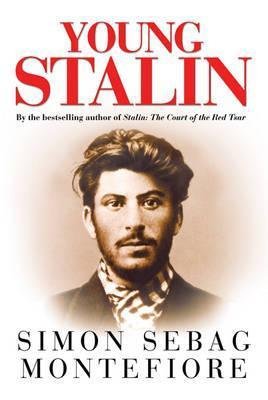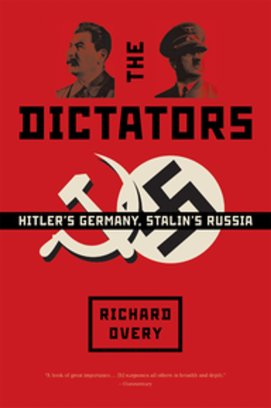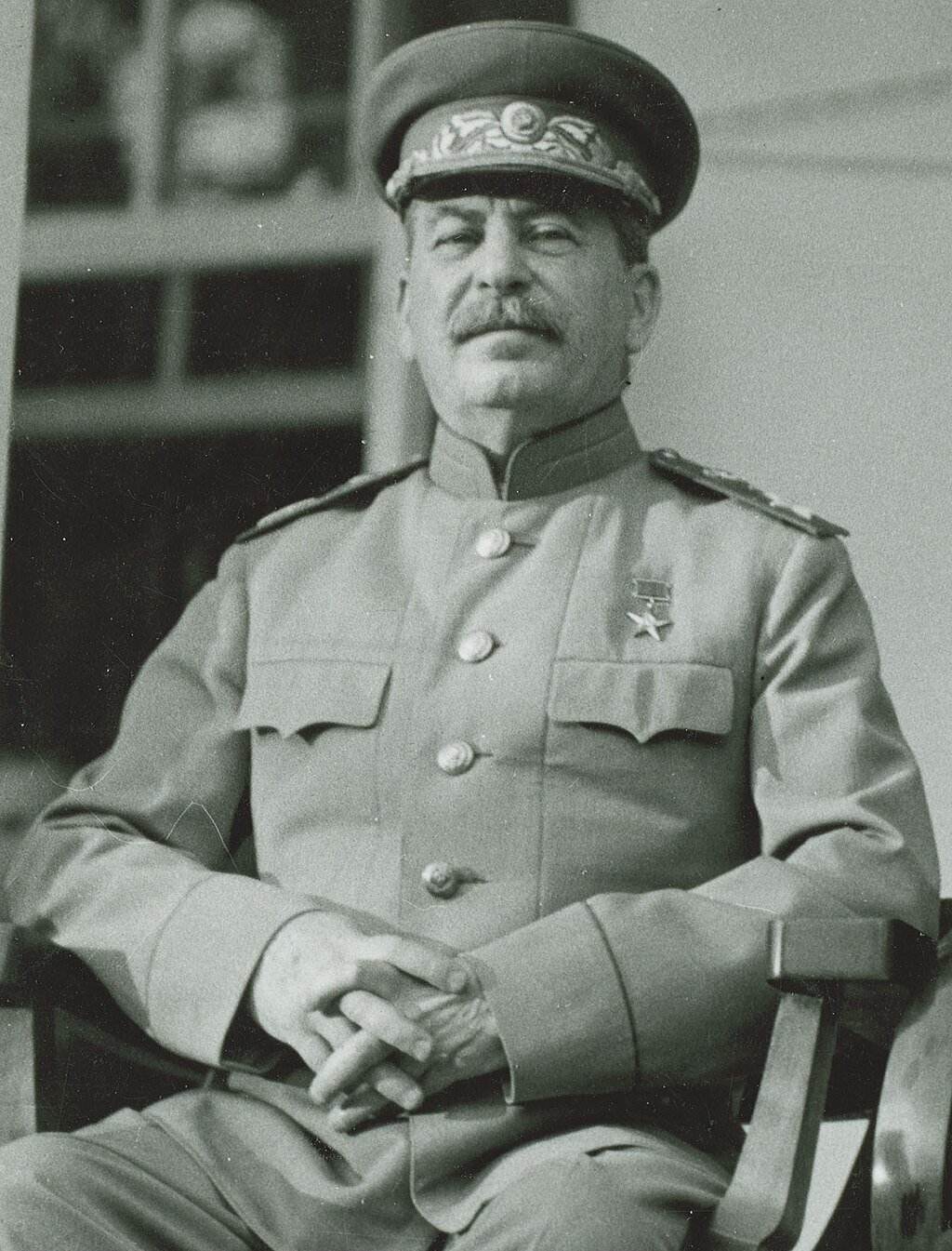
Few figures in history are as polarizing as Joseph Stalin. Born Iosif Vissarionovich Dzhugashvili on December 18, 1878, in Gori, Georgia, he rose from humble beginnings to become the absolute ruler of the Soviet Union from 1924 until his death in 1953. Depending on who you ask, he was either a brilliant strategist who turned the USSR into a global superpower or a ruthless dictator responsible for millions of deaths—or both.
Stalin’s early years were far from the life of power he later enjoyed. Raised in poverty, he attended a theological seminary in Tiflis (modern-day Tbilisi), but instead of becoming a priest, he was drawn to the underground world of Marxist revolutionaries. He joined the Bolshevik faction of the Russian Social Democratic Labour Party, led by Vladimir Lenin, and quickly became known for his ability to raise money—often through robberies, kidnappings, and protection rackets.
Repeatedly arrested and exiled to Siberia, Stalin spent years in and out of prison, but that didn’t stop his rise in the Bolshevik ranks. By the time Lenin and the Bolsheviks seized power in the October Revolution of 1917, Stalin was firmly embedded in the party leadership.
After Lenin’s death in 1924, a power struggle erupted between Stalin and Leon Trotsky. Stalin outmaneuvered his rivals, solidified control, and by the 1930s, ruled the Soviet Union as a dictator. He introduced the idea of “socialism in one country,” arguing that the USSR could develop communism on its own without waiting for global revolution.
His policies were transformative but brutal. The Five-Year Plans, launched in 1928, pushed for rapid industrialization and agricultural collectivization. While these policies modernized the Soviet economy, they also led to widespread famine, including the Holodomor in Ukraine, which resulted in millions of deaths.
Then came the Great Purge (1936–1938)—a bloody campaign to eliminate Stalin’s perceived enemies. Political rivals, military officers, intellectuals, and even ordinary citizens were arrested, executed, or sent to Gulag labor camps. By the time the purges ended, Stalin had absolute power, but at the cost of millions of lives.
World War II and the Cold War
In 1939, Stalin shocked the world by signing the Molotov-Ribbentrop Pact with Nazi Germany, a non-aggression agreement that secretly divided Eastern Europe between the two powers. But in 1941, Hitler broke the pact and invaded the Soviet Union.
The war was devastating for the USSR, but under Stalin’s leadership, the Red Army pushed back. Soviet forces defended Moscow, won the brutal Battle of Stalingrad, and ultimately captured Berlin in 1945, bringing Nazi Germany to its knees. Stalin emerged from World War II as a victorious leader, expanding Soviet control over Eastern Europe and setting the stage for the Cold War with the United States.
Stalin’s Final Years and Death
Despite his wartime success, Stalin’s later years were marked by paranoia and repression. He launched a new wave of purges, including anti-Semitic campaigns like the infamous “doctors’ plot.” Meanwhile, the country suffered another famine, and tensions with the West grew as the nuclear arms race escalated.
On March 5, 1953, Stalin died after suffering a stroke. His death led to a power struggle, eventually won by Nikita Khrushchev, who denounced Stalin’s brutal rule in 1956 and began the process of de-Stalinization.
Stalin remains one of history’s most debated figures. His leadership turned the Soviet Union into a superpower, modernized its economy, and helped defeat Hitler. But his rule was also marked by mass executions, forced labor camps, ethnic deportations, and famines that killed millions.
Even today, his legacy is mixed. Some in Russia and former Soviet states still admire him as a strong leader who built a powerful nation, while others see him as a brutal dictator whose policies brought immense suffering.
No matter which side of the debate you’re on, one thing is certain—Stalin’s impact on history is undeniable.