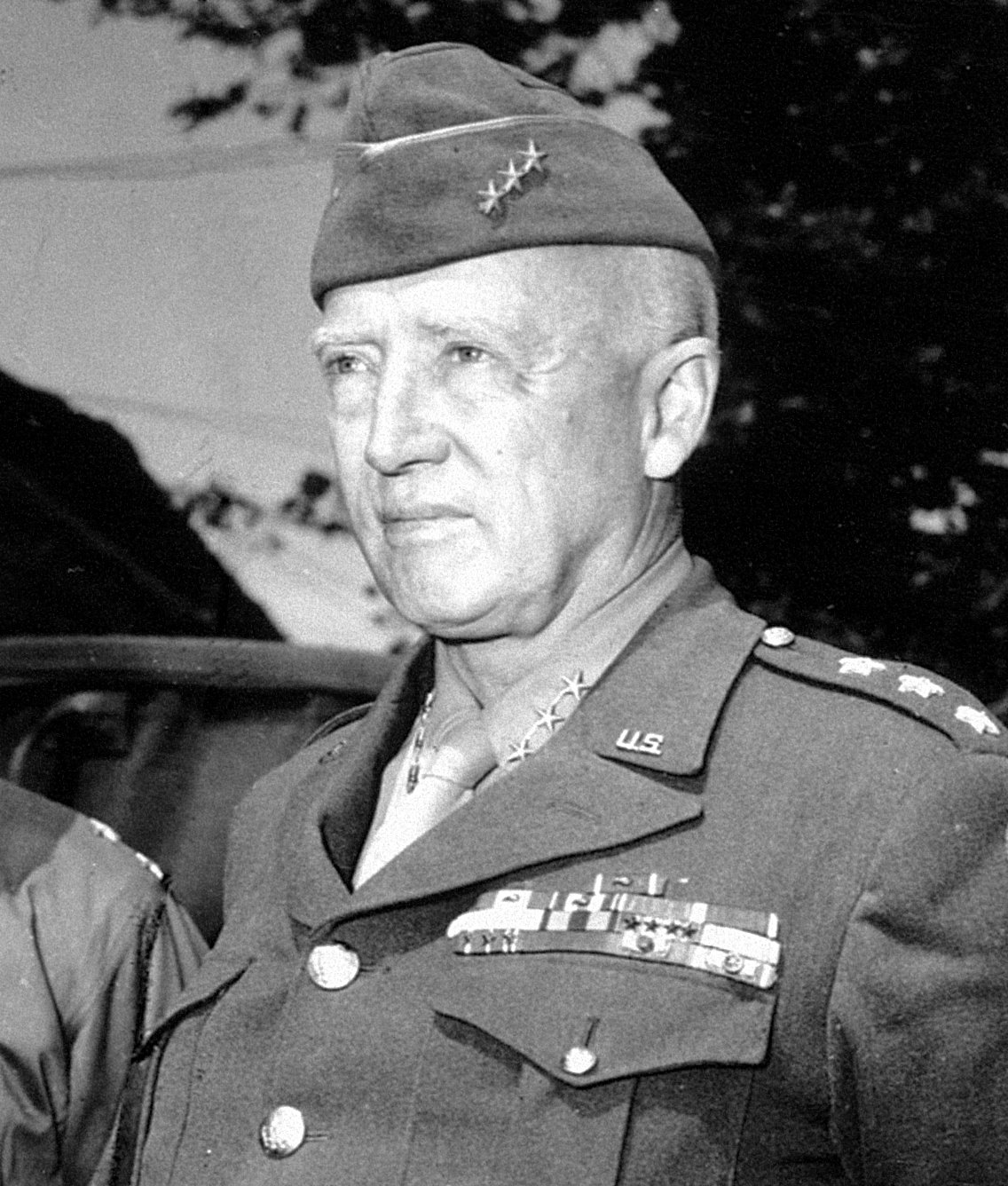
George S. Patton was one of the most well-known and controversial American generals of World War II. Born in 1885, he attended the Virginia Military Institute and later graduated from West Point. A skilled athlete, he competed in the modern pentathlon at the 1912 Olympics. Patton had a deep interest in military history and tactics, particularly armored warfare, which shaped his aggressive combat strategies later in life.
His first taste of combat came during the 1916 Pancho Villa Expedition in Mexico, where he led a successful raid against the enemy. In World War I, he served in the newly formed U.S. Tank Corps, helping to develop early American armored warfare tactics. He was wounded in action near the end of the war but continued to play a key role in advancing tank warfare throughout the interwar years.
During World War II, Patton quickly made a name for himself as a bold and aggressive commander. He led U.S. forces in the North African campaign, playing a major role in the victory at Tunisia. In 1943, he commanded the Seventh Army during the invasion of Sicily, where his troops raced to capture the city of Messina before British forces. However, his career nearly ended after he slapped two soldiers suffering from battle fatigue, an incident that led to his temporary removal from command.
By 1944, Patton was back in action, leading the Third Army in the breakout from Normandy. His forces advanced rapidly across France, liberating large territories from German control. During the Battle of the Bulge in late 1944, his troops played a crucial role in relieving the besieged American forces in Bastogne. As the war neared its end, he pushed deep into Nazi Germany, capturing vast amounts of territory.
After Germany's surrender, Patton was appointed military governor of Bavaria but was relieved of his post for his controversial remarks criticizing the Allied approach to denazification and his outspoken views on the Soviet Union. He was reassigned to command the U.S. Fifteenth Army, but his career was cut short when he suffered severe injuries in a car accident in December 1945. He died 12 days later in a military hospital in Germany.
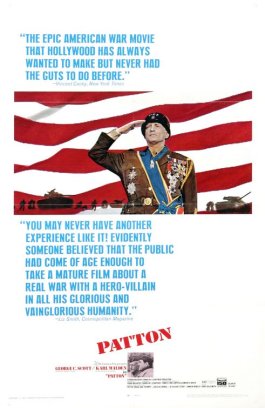
Patton was both admired and criticized for his leadership style. His fiery speeches, filled with profanity and tough rhetoric, inspired his troops but often caused friction with his superiors. Despite his controversial nature, he was respected by both allies and enemies for his tactical skill and relentless pursuit of victory. His legacy was further cemented by the 1970 film Patton, which won multiple Academy Awards and introduced his larger-than-life persona to new generations.