Audie Murphy wasn’t just a war hero—he was the kind of larger-than-life figure Hollywood usually makes up. But his story wasn’t fiction. Born into poverty in rural Hunt County, Texas, on June 20, 1925, he grew up dirt poor, picking cotton to help feed his 12 siblings after their father abandoned the family. His mother’s death left him practically on his own as a teenager. School took a backseat to survival, and Murphy became an expert hunter—not for sport, but to put food on the table.
When Pearl Harbor was attacked in 1941, Murphy, like so many young men, was eager to enlist. The problem? He was small—too small, according to the Army, Navy, and Marine Corps, all of whom initially turned him away for being underweight. But he refused to take no for an answer. With the help of his older sister, he fudged his birth date to meet the minimum age requirement, and eventually, the U.S. Army took a chance on him.
That decision changed history.
Murphy saw combat almost immediately. He fought through the 1943 invasion of Sicily, the Battle of Anzio, the liberation of Rome, and the invasion of southern France in 1944. Battle after battle, he proved his courage, but it was January 1945 at the Colmar Pocket in France where he became a living legend. Just 19 years old, Murphy single-handedly held off an entire company of German soldiers for an hour, using a burning tank destroyer’s machine gun as cover. Wounded but undeterred, he led a successful counterattack, securing his place in military history.
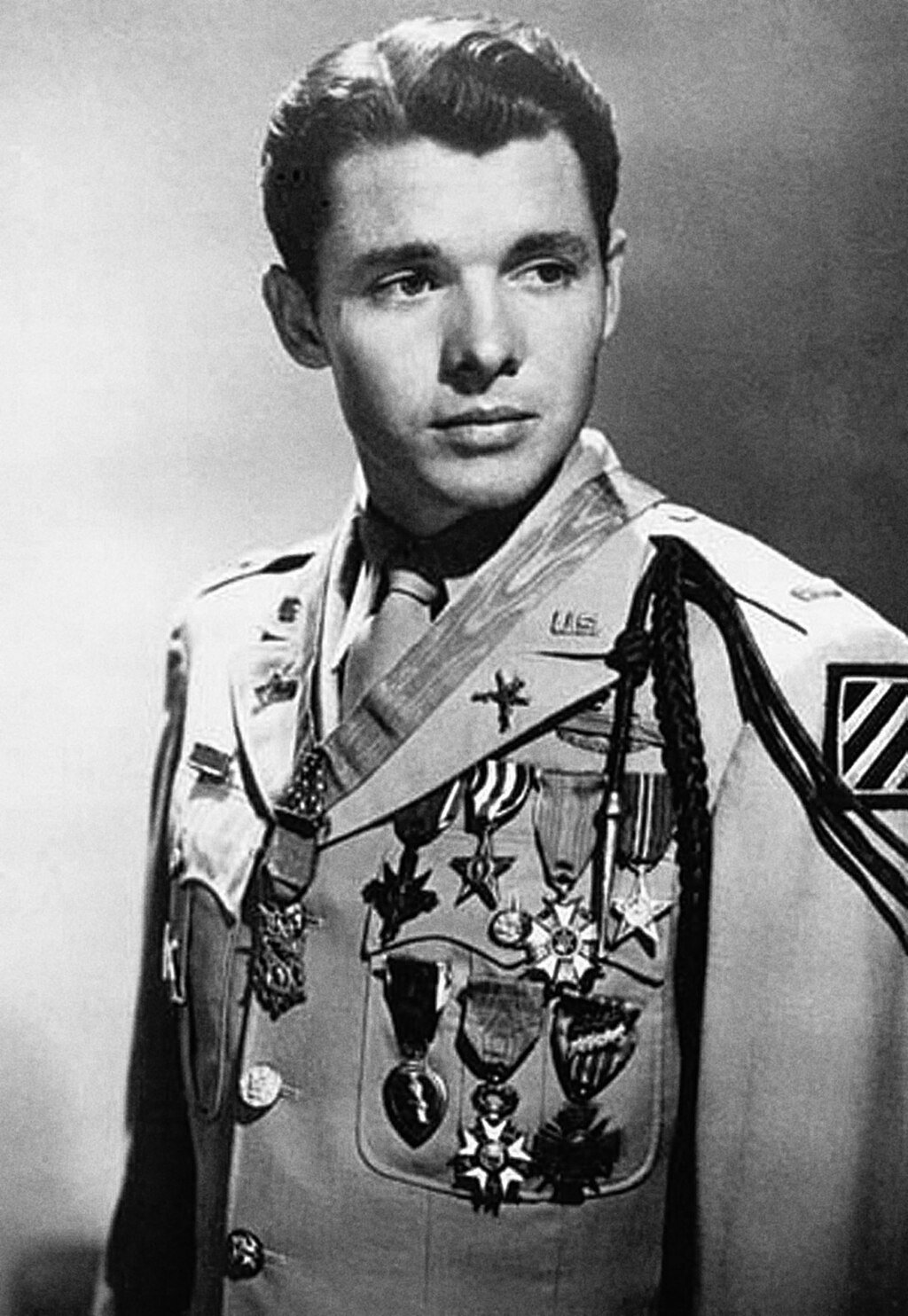
For his fearless stand, he received the Medal of Honor, the highest military award for valor. By the end of World War II, he had received every combat award for valor the U.S. Army had to offer, along with French and Belgian honors. He remains one of the most decorated soldiers in U.S. history, credited with killing 241 enemy soldiers.
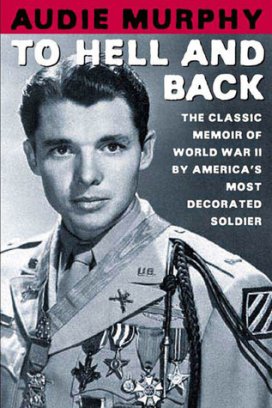
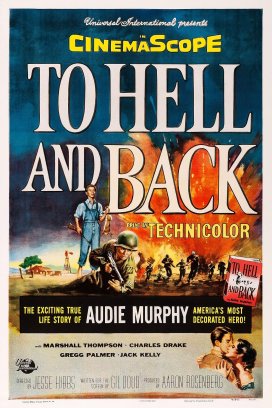
After the war, Murphy’s boyish good looks and battlefield heroism made him a natural fit for Hollywood. He starred in over 40 films, including To Hell and Back (1955), where he played himself in an adaptation of his best-selling memoir. Westerns became his specialty, but he also made TV appearances, bred quarter horses, and even tried his hand at songwriting.
But Murphy never truly left the war behind. He suffered from what we now recognize as PTSD, then called "battle fatigue." He had nightmares, mood swings, and insomnia, often sleeping with a loaded gun under his pillow. Painfully aware of his struggles, he refused to profit from alcohol and cigarette ads, unwilling to set a bad example for young fans.
Despite his fame, Murphy faced financial troubles in his later years. Then, on May 28, 1971, at just 45 years old, he was killed in a plane crash in Virginia. His body was laid to rest with full military honors at Arlington National Cemetery, where his grave remains one of the most visited.
Audie Murphy’s life was the ultimate underdog story—a boy too small to fight who became America’s most decorated war hero, a Hollywood star, and a symbol of courage. His legacy lives on, not just in medals and movies, but in the enduring image of a young soldier who never backed down.