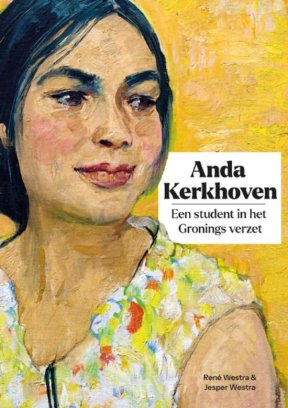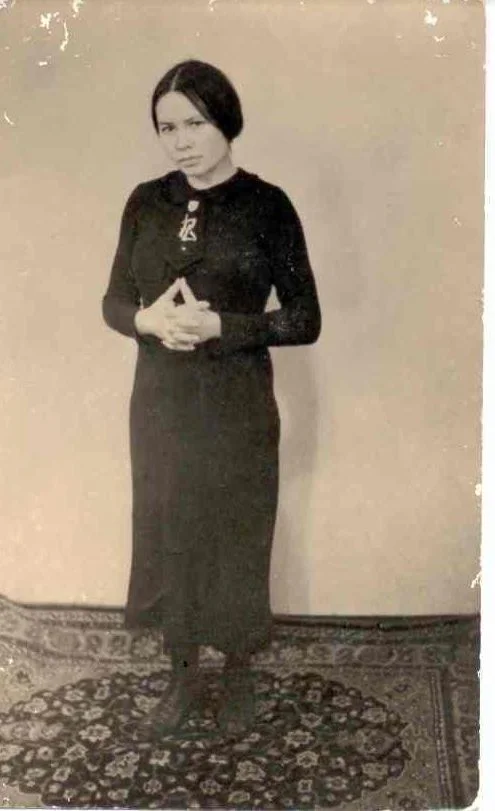
Anda was born into a wealthy family of tea planters in what was then the Dutch East Indies. Her mother was Dutch, and her father was of mixed heritage—Dutch on his father's side and Chinese-Indian on his mother's. From a young age, Anda adopted vegetarianism on principle and began studying medicine. However, she was firmly against animal experimentation. This conviction led her to move to Groningen in 1938, where vivisection was not a mandatory part of the curriculum at the university.
She was also a committed pacifist with a strong desire to make the world a better place. Her first bold statement came in the student magazine Der Clercke Cronike on November 4, 1938, where she wrote passionately about the moral responsibilities of science and humanity’s role within it. She concluded her article with a line that would shape her life: “What is not allowed, is not allowed, whatever the price!”
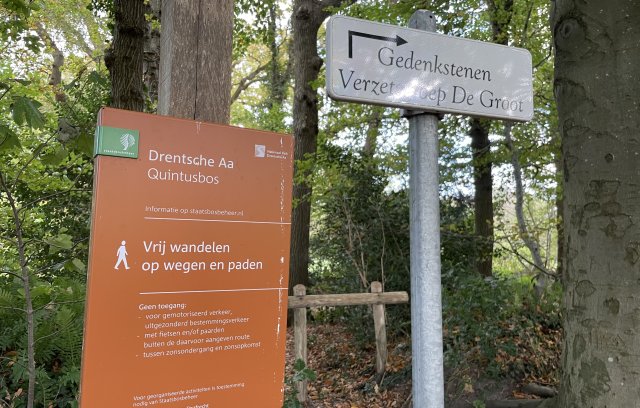
It was almost inevitable that Anda would become involved in the nonviolent resistance during World War II. In 1942, under German occupation, she joined the resistance group De Groot. There, she helped distribute forged identity papers and accompanied people to hiding places. She also wrote and distributed pamphlets promoting compassion and ethical action.
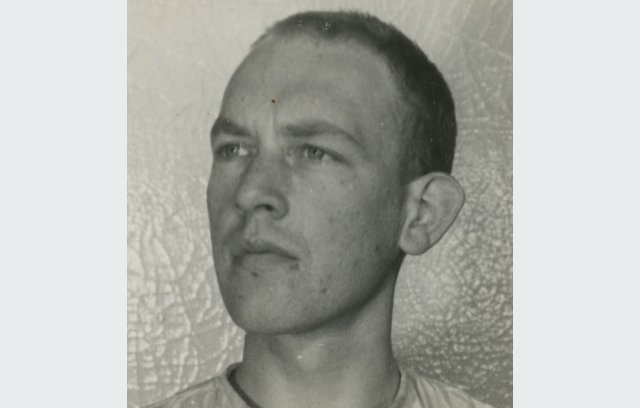
In late 1944, Anda was arrested by the Sicherheitsdienst. She was brutally interrogated and tortured at the notorious Scholtenhuis but refused to give up any information. Her silence cost her her life. On March 19, 1945—just weeks before Groningen was liberated—Anda and fellow resistance member Gerrit Boekhoven were executed without trial by Dutch members of the SD near the forest edge in Glimmen.