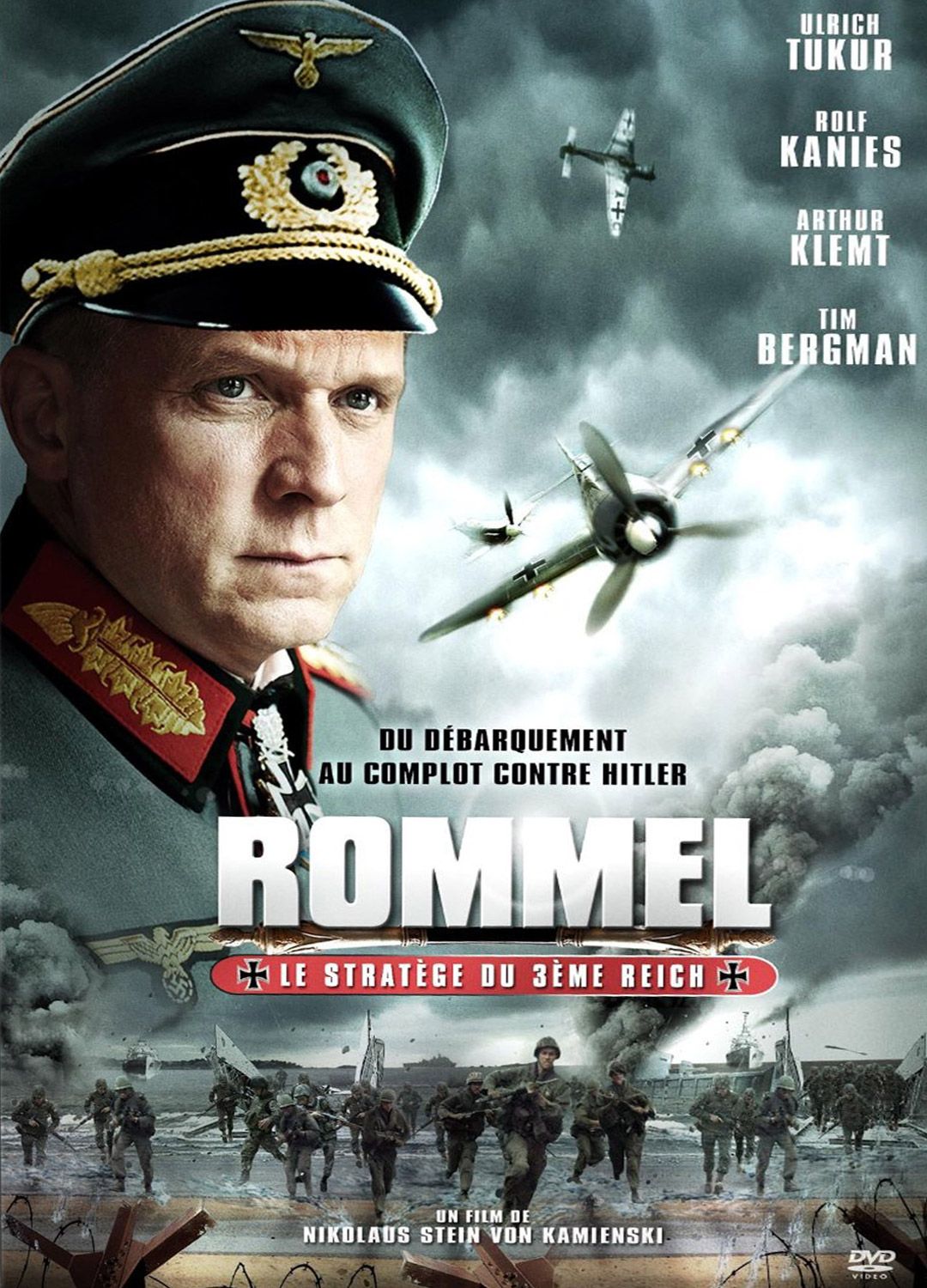
In November 1943, a pivotal moment unfolds as Hitler relocates Field Marshal Erwin Rommel and his Army Group B headquarters to Normandy. Their mission: to defend the French coast against the long-anticipated Allied invasion.
Upon arriving in Normandy, Rommel is alarmed by several critical issues. He observes that the defensive fortifications are incomplete, the construction of the Atlantic Wall is progressing slowly, and the defending units are mainly composed of poorly-trained conscripts. Recognizing the urgency of the situation, Rommel implores his troops to accelerate the construction of the Atlantic Wall and pleads with the German High Command to allocate more battle-hardened divisions to his command. He particularly emphasizes the need for panzer divisions and SS divisions to mount a robust counter-attack against any Allied landings.
However, Hitler refuses to release the vital panzer divisions to Rommel's command, creating a significant hurdle. To compound matters, Rommel becomes aware of a potential assassination plot against Hitler, further complicating the already tense situation. This historical context sets the stage for a critical juncture in World War II, where strategic decisions and political intrigue collide on the eve of the Allied invasion of Normandy.