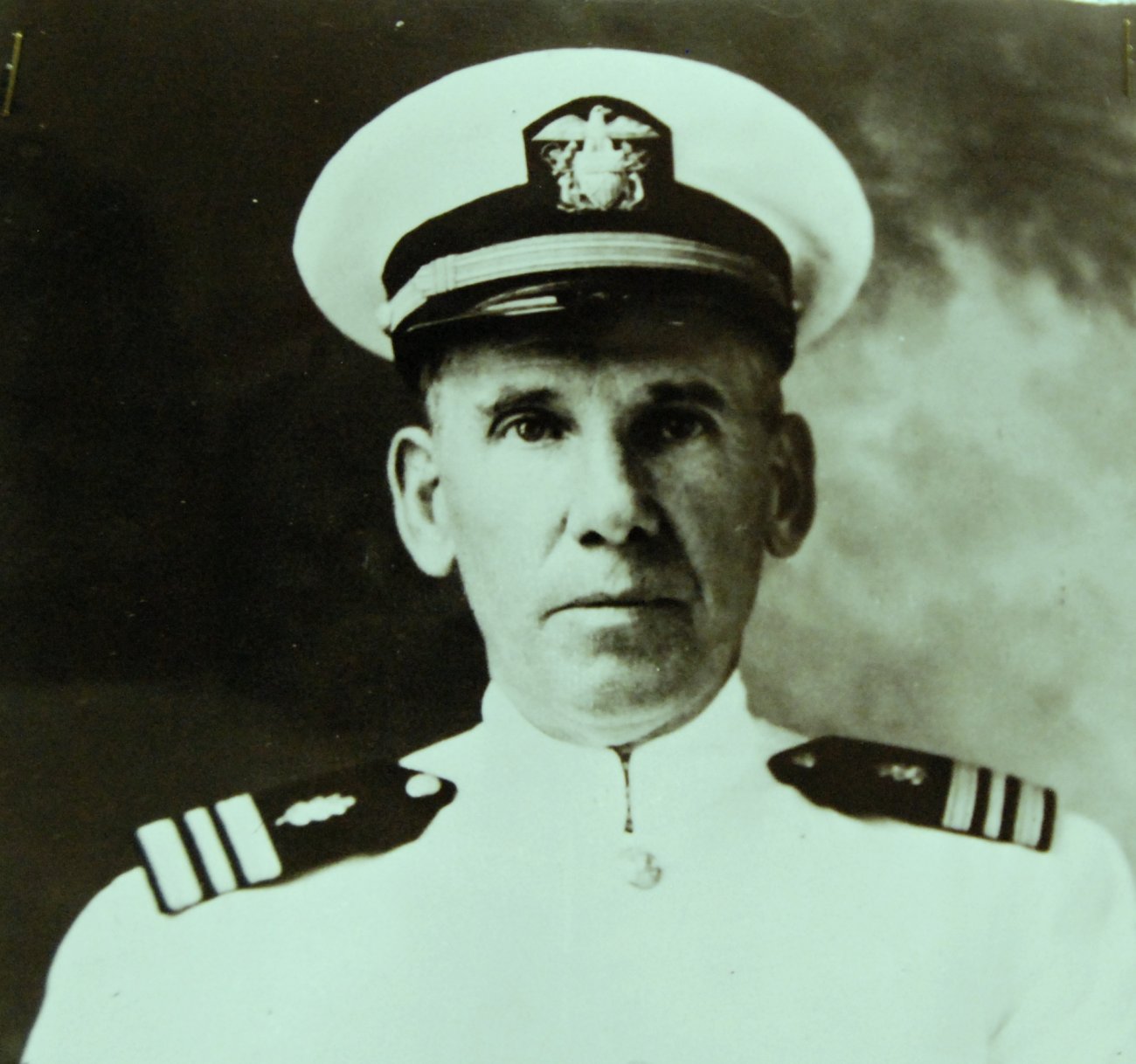
Corydon McAlmont Wassell was a dedicated medical doctor best known for his heroic work as a U.S. Navy physician. Born in Little Rock, Arkansas, he earned his M.D. from the University of Arkansas in 1909 and began his practice in Tillar. In 1913, he left his local practice behind to serve as a medical missionary in Wuchang, China, demonstrating an early commitment to helping others.
Wassell resumed his military service with the United States Navy Reserve in 1936. By 1942, during World War II, he had risen to the rank of lieutenant commander. Stationed in Java, he acted as a liaison officer for around forty wounded American servicemen from the USS Marblehead in a Dutch hospital. His bravery shone through when he saved twelve of the most severely wounded from falling into Japanese hands, escorting them to safety in Fremantle. For his actions on March 1, 1942, he was awarded the Navy Cross—a testament to his unwavering dedication and personal sacrifice.
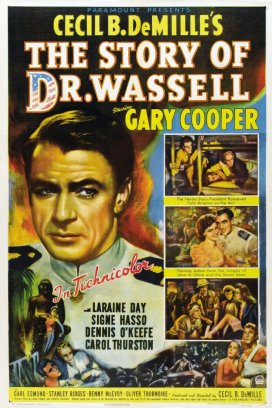
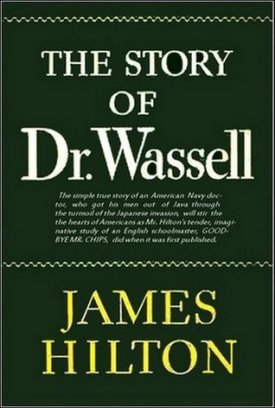
His remarkable story captured national attention when a radio speech by President Franklin Delano Roosevelt inspired filmmaker Cecil B. DeMille to create a movie about him. Titled The Story of Dr. Wassell and starring Gary Cooper, the film was based on a biographical novel by James Hilton. Although Wassell served as an uncredited technical adviser on the movie, he humbly directed all the proceeds he received from it to a hospital for the deaf and blind in Little Rock.
Wassell passed away on May 12, 1958, in his hometown of Little Rock. He was laid to rest with full military honors at Arlington National Cemetery, ensuring that his legacy of service would not be forgotten. His home in Little Rock has also earned a place on the National Register of Historic Places, preserving the memory of a man who devoted his life to saving others.